
can cotton candy get mold
Why Can Cotton Candy Grow Mold?
Cotton candy is mostly sugar, but it is extremely hygroscopic — meaning it soaks up moisture from the air. When cotton candy absorbs water, its delicate structure collapses and creates a damp, sticky surface that can support mold growth if spores are present.
Moisture Absorption & Environmental Risks
Moisture is the main culprit
Even a small amount of humidity will dissolve surface sugar and leave a tacky film. That tacky environment traps airborne spores and microbes, allowing them to colonize the candy.
Other contributing factors
- Improper packaging: Open or damaged packaging allows humid air to enter.
- Temperature fluctuations: Condensation inside packaging can form during cooling or warming cycles.
- Contamination: Handling with unclean hands or equipment introduces spores directly to the candy.
How Fast Does Cotton Candy Go Moldy?
Cotton candy stored in ideal, dry conditions can last for weeks or even months. But in humid environments, spoilage and mold can appear within 24–48 hours. The exact timing depends on humidity, exposure to contaminants, and how airtight the packaging is.
How to Prevent Mold on Cotton Candy
Prevention focuses on limiting moisture exposure and contamination.
Key prevention steps
- Keep it airtight: Use sealed bags, vacuum-sealed packs, or airtight jars to block humid air.
- Store dry and cool: Avoid basements and kitchens with high humidity; pick a stable, dry room.
- Minimize handling: Frequent opening or touching the candy invites moisture and spores.
- Sanitize tools and surfaces: Ensure everything that contacts the candy — including molds — is clean.
Are Silicone Molds Helpful for Cotton Candy?
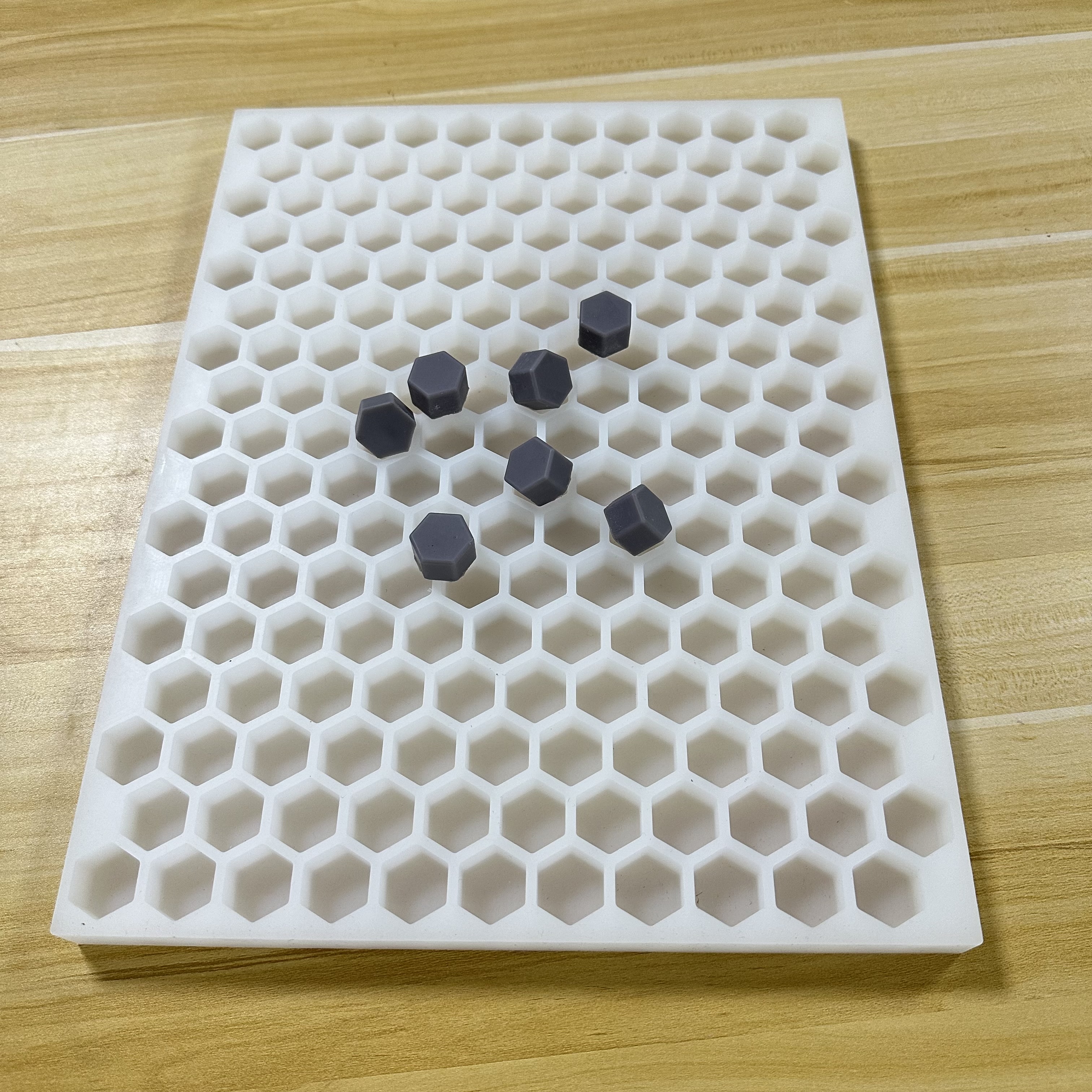
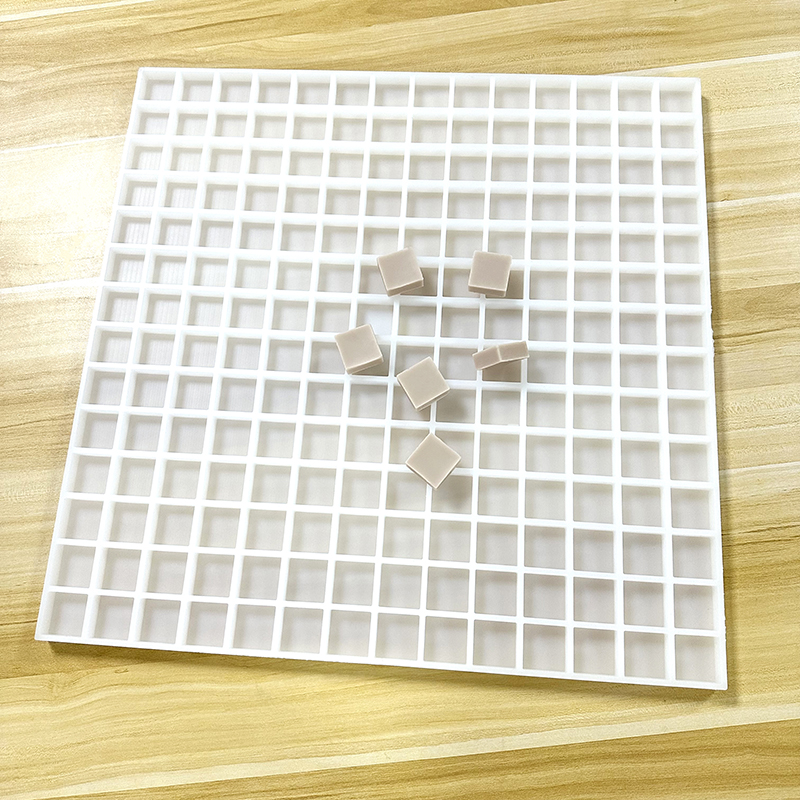
Yes. While cotton candy is rarely shaped in molds like gummies or chocolates, food producers and event creators often use accessories, forms, or holders. Using clean, food-grade silicone molds for packaging components, shapes, or supports helps reduce contamination and moisture transfer during handling.
Why choose quality silicone
High-quality silicone is non-porous, easy to clean, and resists bacteria and mold. Reputable manufacturers provide certified products that meet food safety standards — minimizing the risk of introducing contamination to cotton candy.
Manufacturer recommendation: Huizhou Renshan Silicone Products Co., Ltd. produces food-grade silicone molding and candy accessories designed for hygiene and durability. Explore their certified solutions at www.renshanmolds.com.
Best Storage Practices for Cotton Candy
Practical tips
- Seal cotton candy in airtight packaging immediately after production.
- Store in a cool, dry place away from direct sunlight.
- If refrigeration is necessary, package to prevent condensation when removed.
- Label with production dates and recommended consumption windows.
FAQs
Can I eat cotton candy with mold?
No. Discard any cotton candy with visible mold. Mold can produce toxins that are unsafe to ingest.
Does refrigeration prevent mold?
Refrigeration may slow mold growth, but it can also cause condensation when the product is taken out, which increases moisture risk. Use refrigeration only if properly packaged and required by recipe or storage protocol.
How long does packaged cotton candy keep?
Properly sealed cotton candy stored in a dry environment can remain good for weeks to months. Exposure to humidity shortens shelf life dramatically.
Bottom line: Cotton candy can get moldy if exposed to moisture, temperature swings, or contamination. Prevent mold by sealing, storing in dry conditions, minimizing handling, and using clean, food-grade tools — including high-quality silicone molds from trusted suppliers like Huizhou Renshan Silicone Products Co., Ltd. Visit www.renshanmolds.com to learn more about their certified silicone solutions.



How to Pour Hot Candy Into Molds
can candy grow mold
Related Article


